AutoNation Toyota Pinellas Park

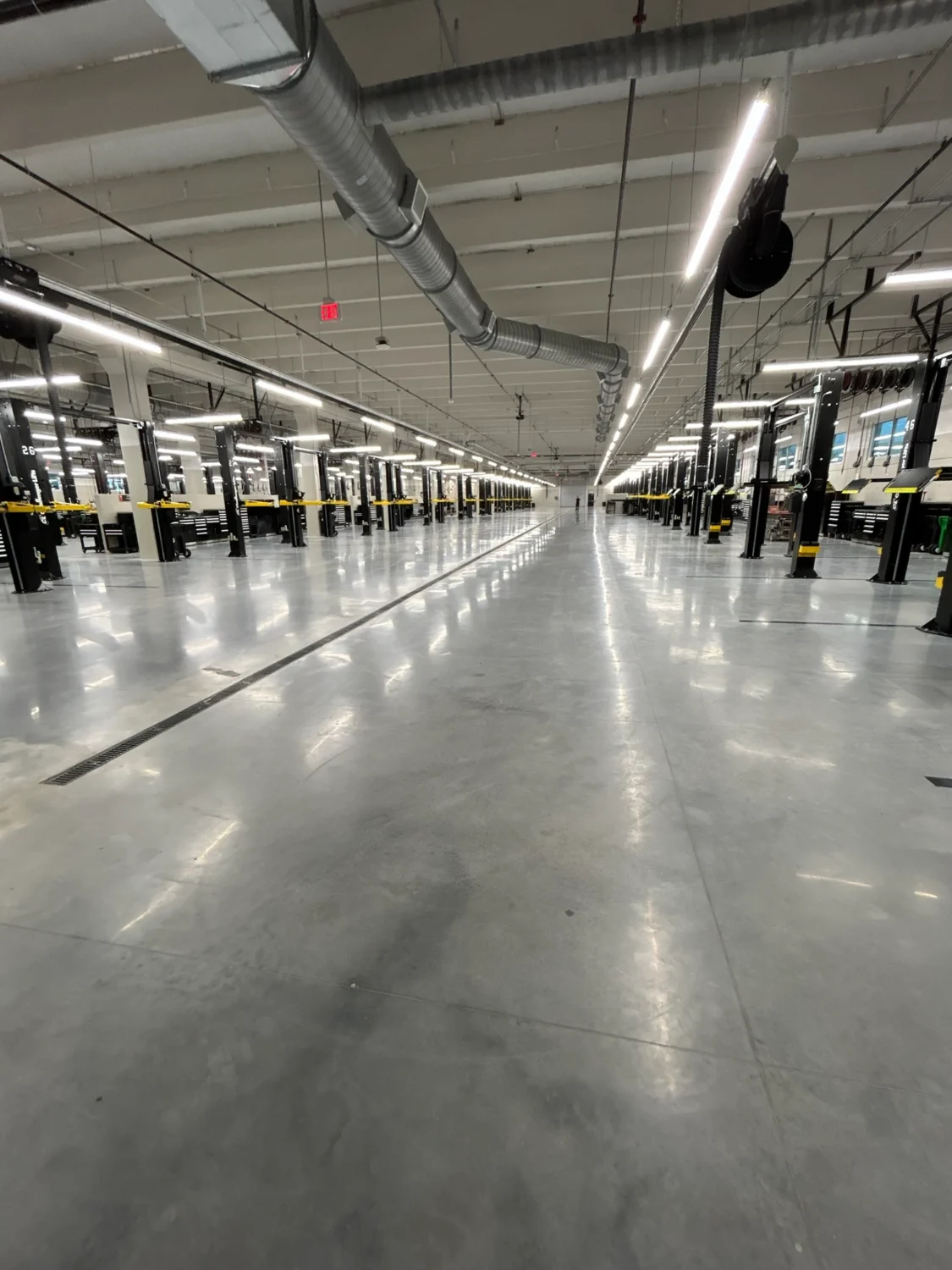
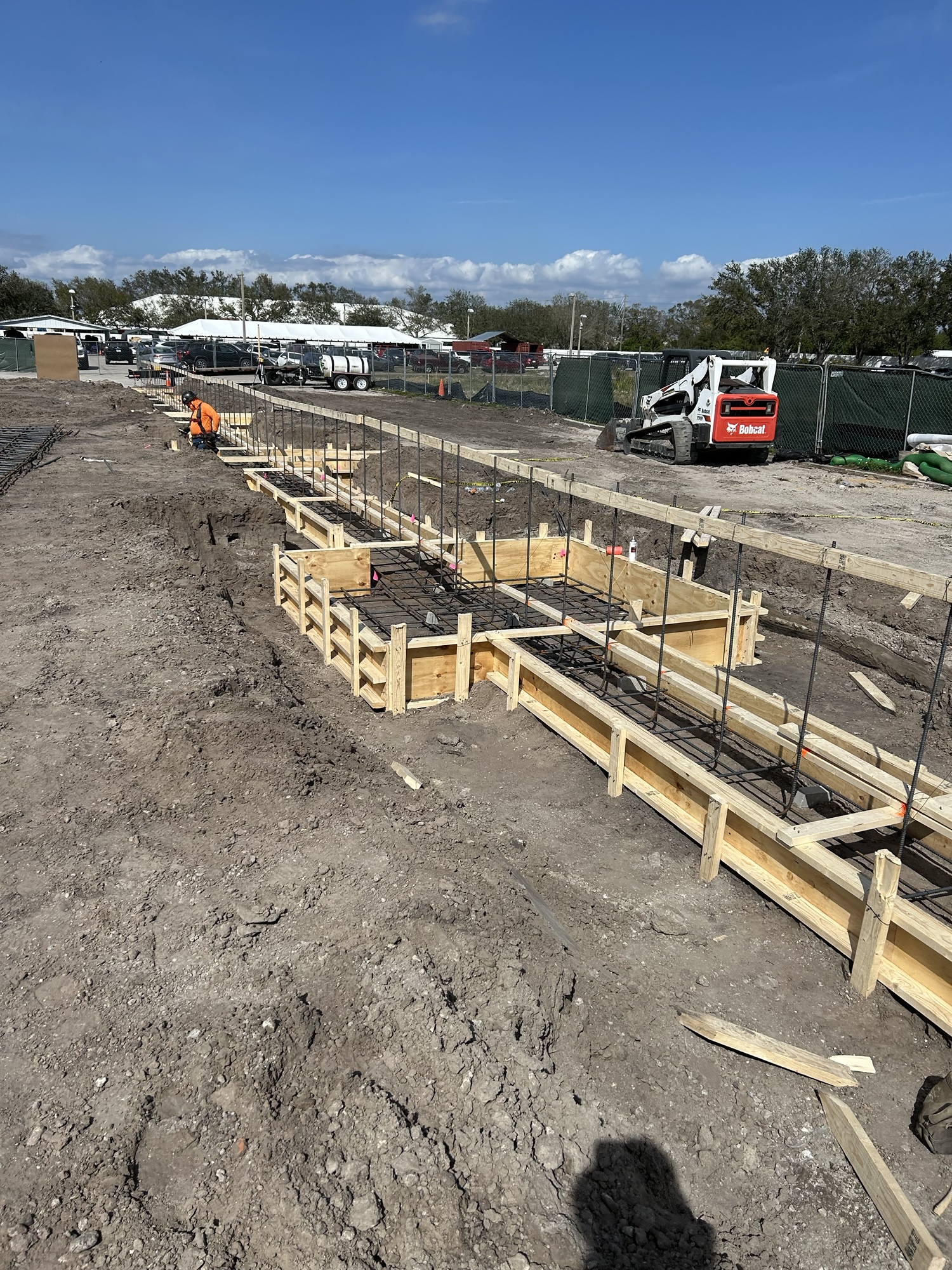
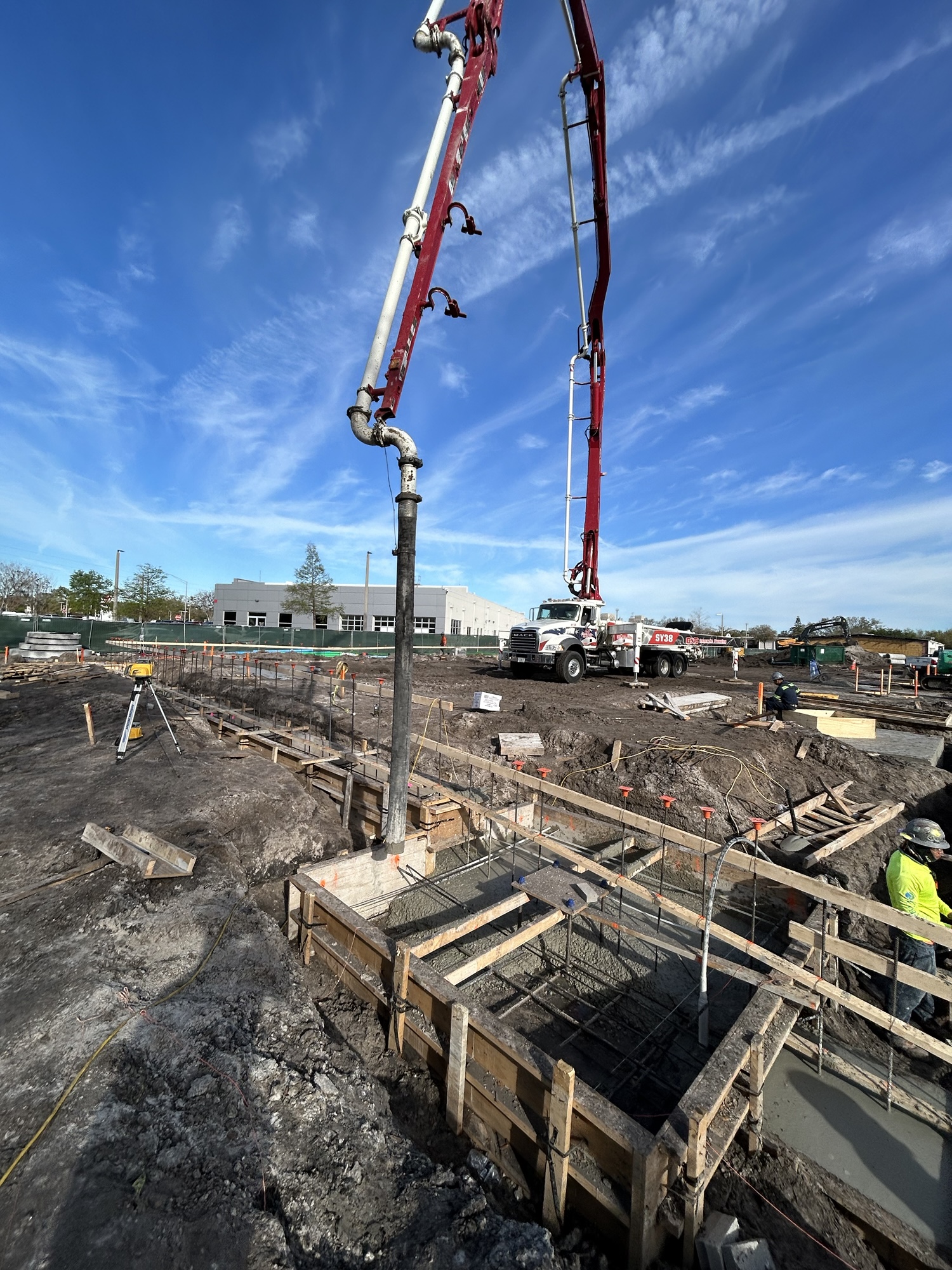
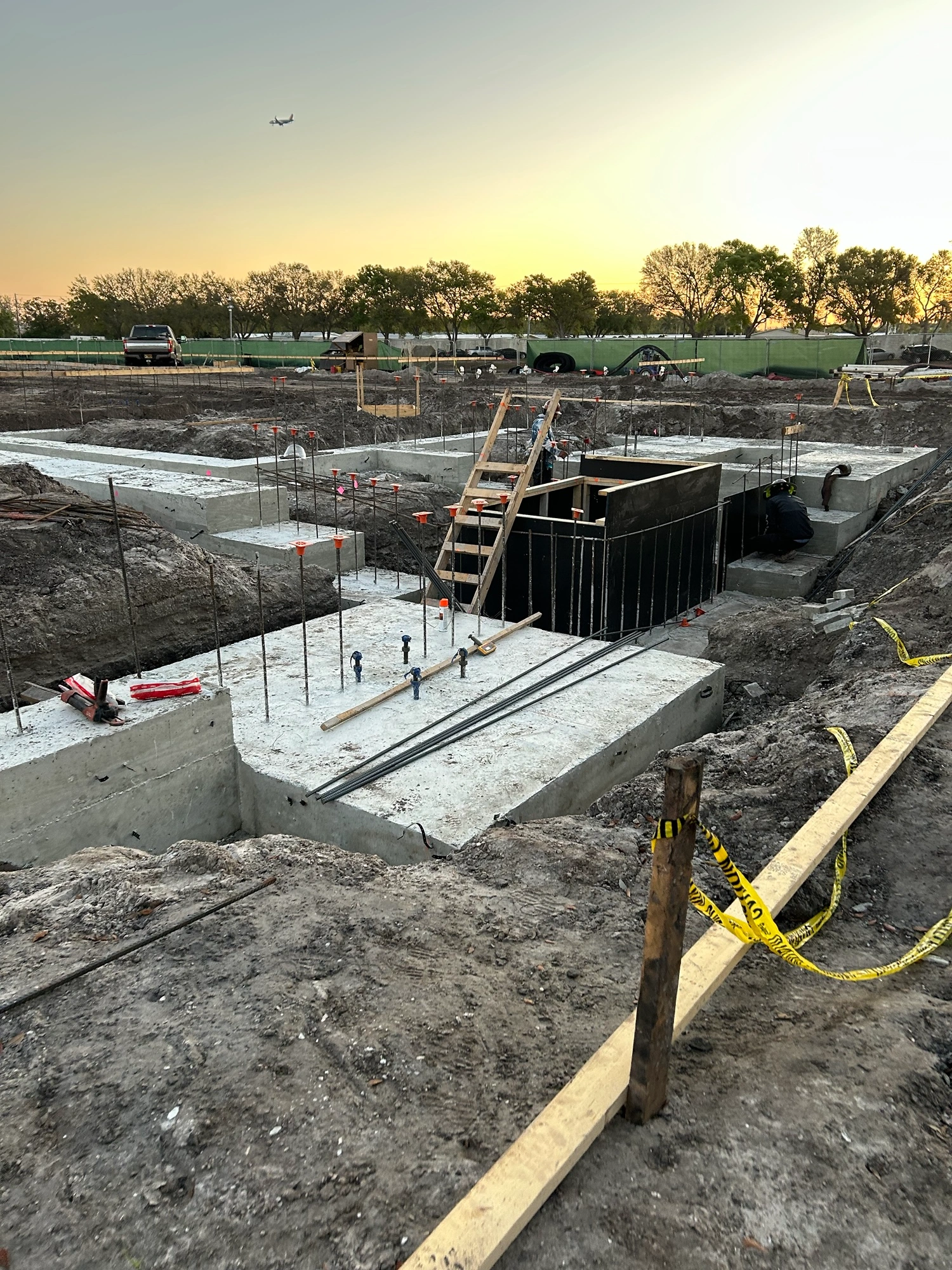
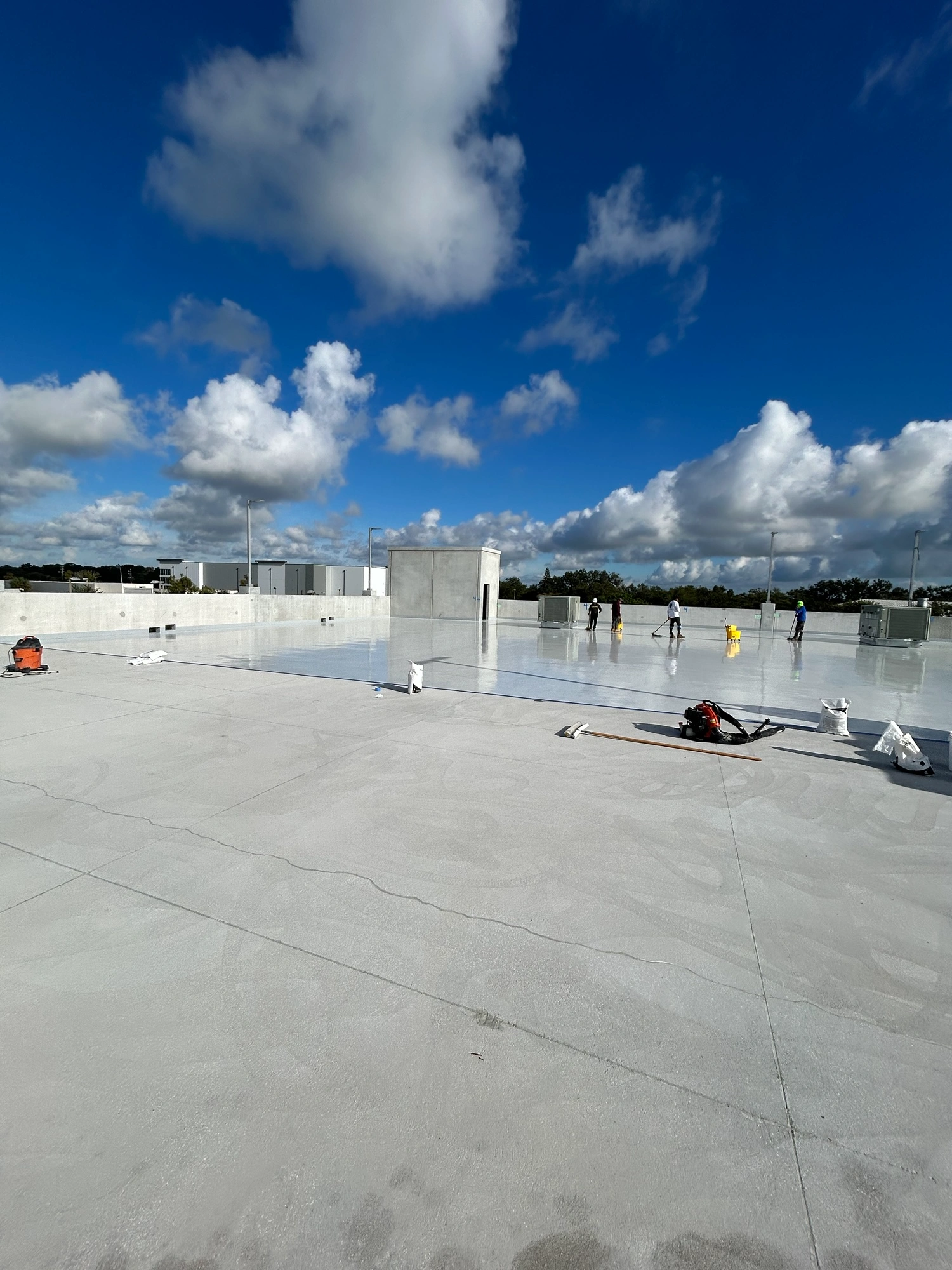
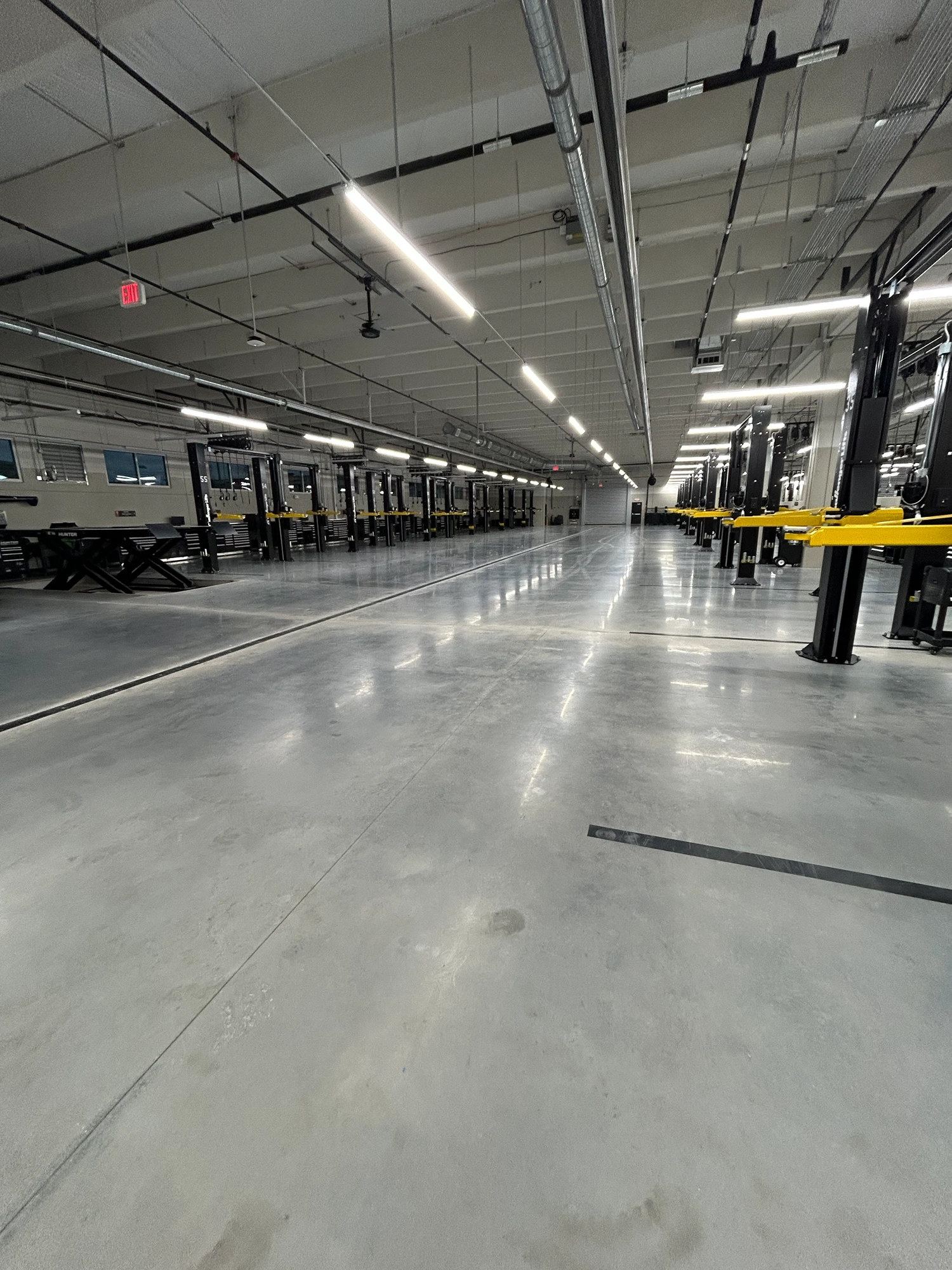
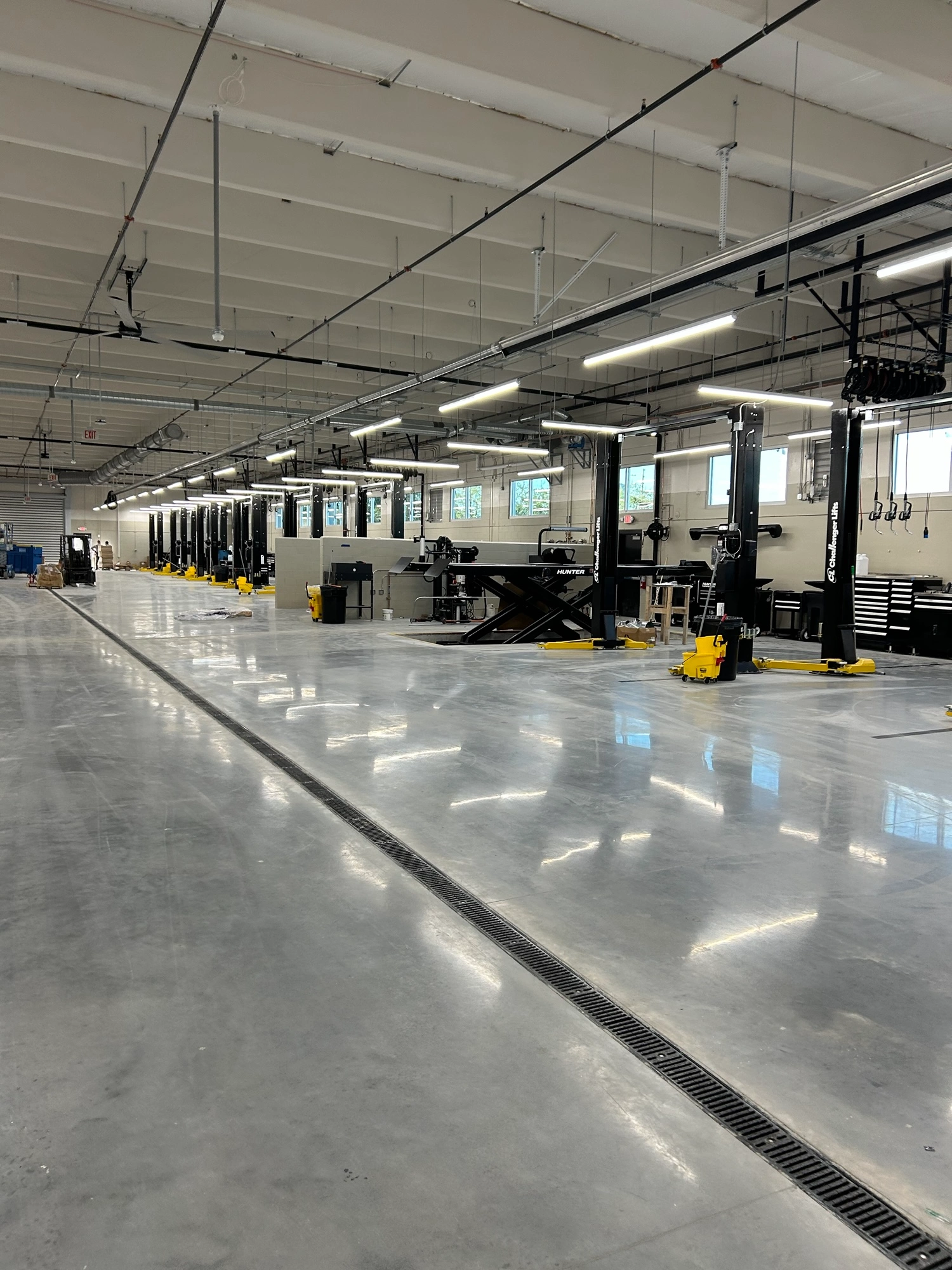
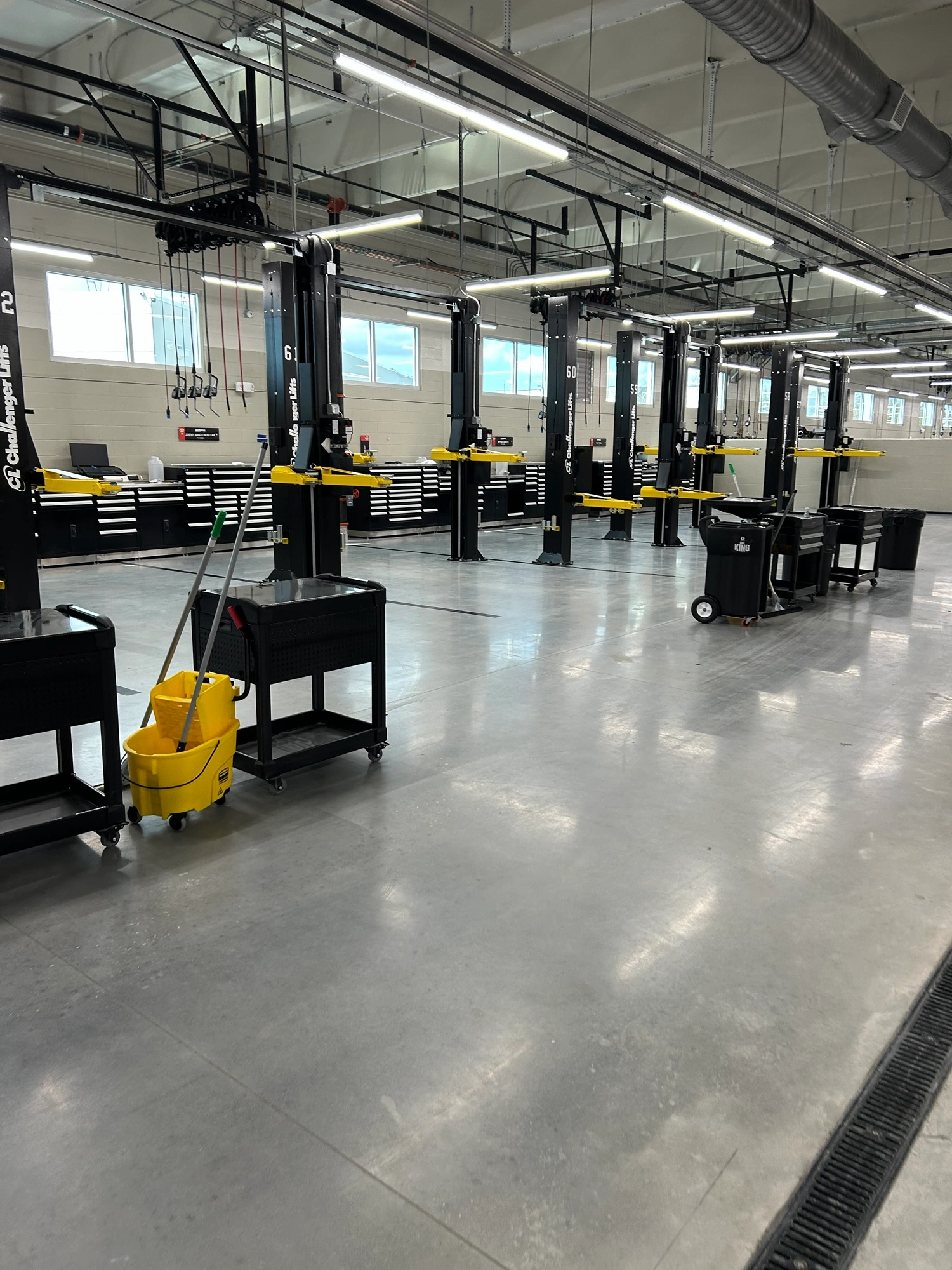
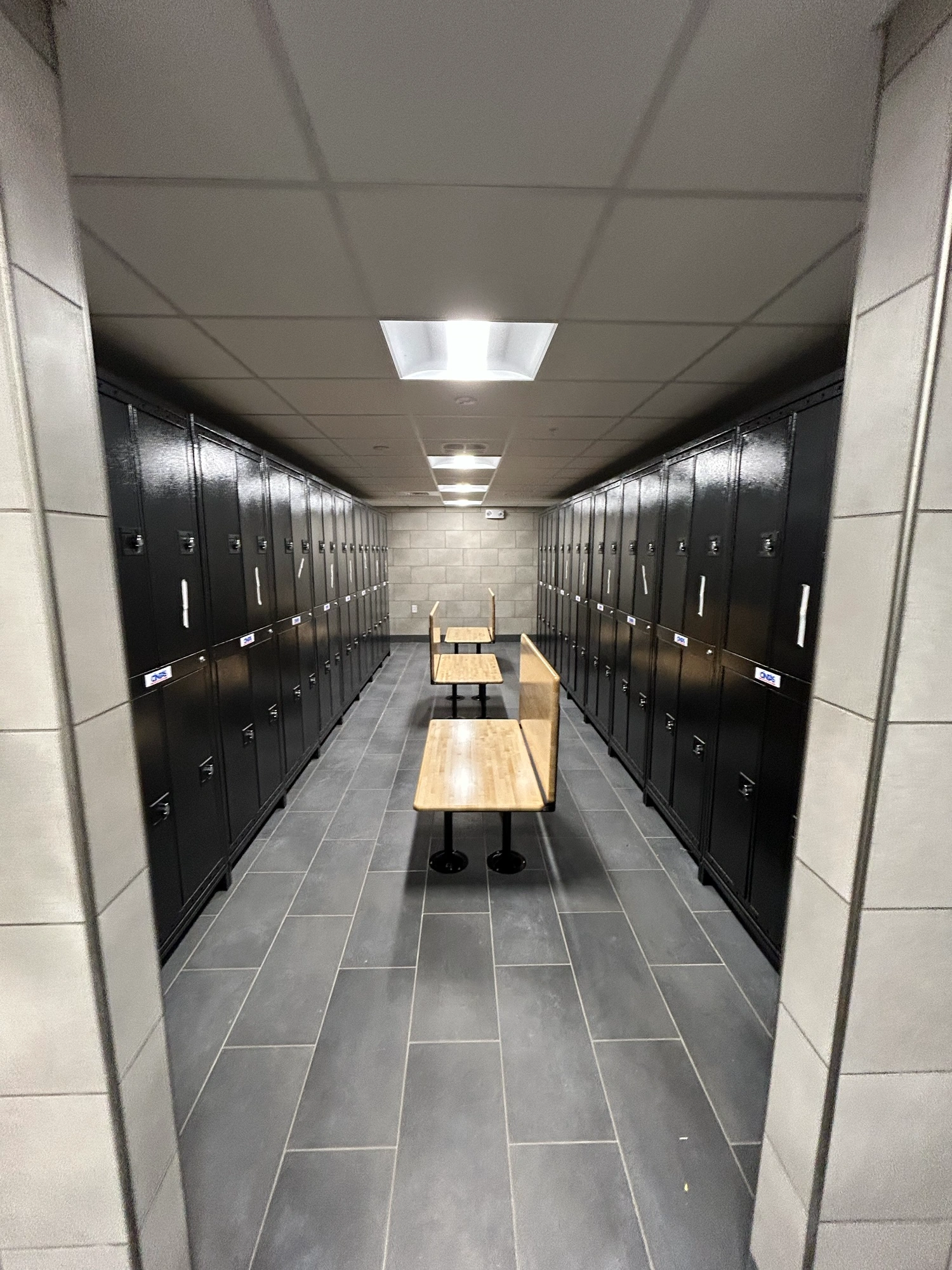
BACH Development delivered the ground-up construction and expansion of a 51,000+ square foot, 67-bay service center for AutoNation Toyota Pinellas Park — transforming raw land into a high-performance automotive facility valued at over $13 million. From preconstruction through final closeout, the project was delivered on time and within budget, despite a series of environmental, structural, and logistical challenges that demanded constant adaptability and technical precision.

From the outset, BACH provided full preconstruction leadership: budgeting, constructability analysis, scheduling, and continuous value engineering. This early investment in strategic planning created the alignment between design intent, cost control, and client goals that allowed the project to absorb unforeseen conditions without compromising its schedule or bottom line.

Complex Site Constraints: Contaminated Water Remediation

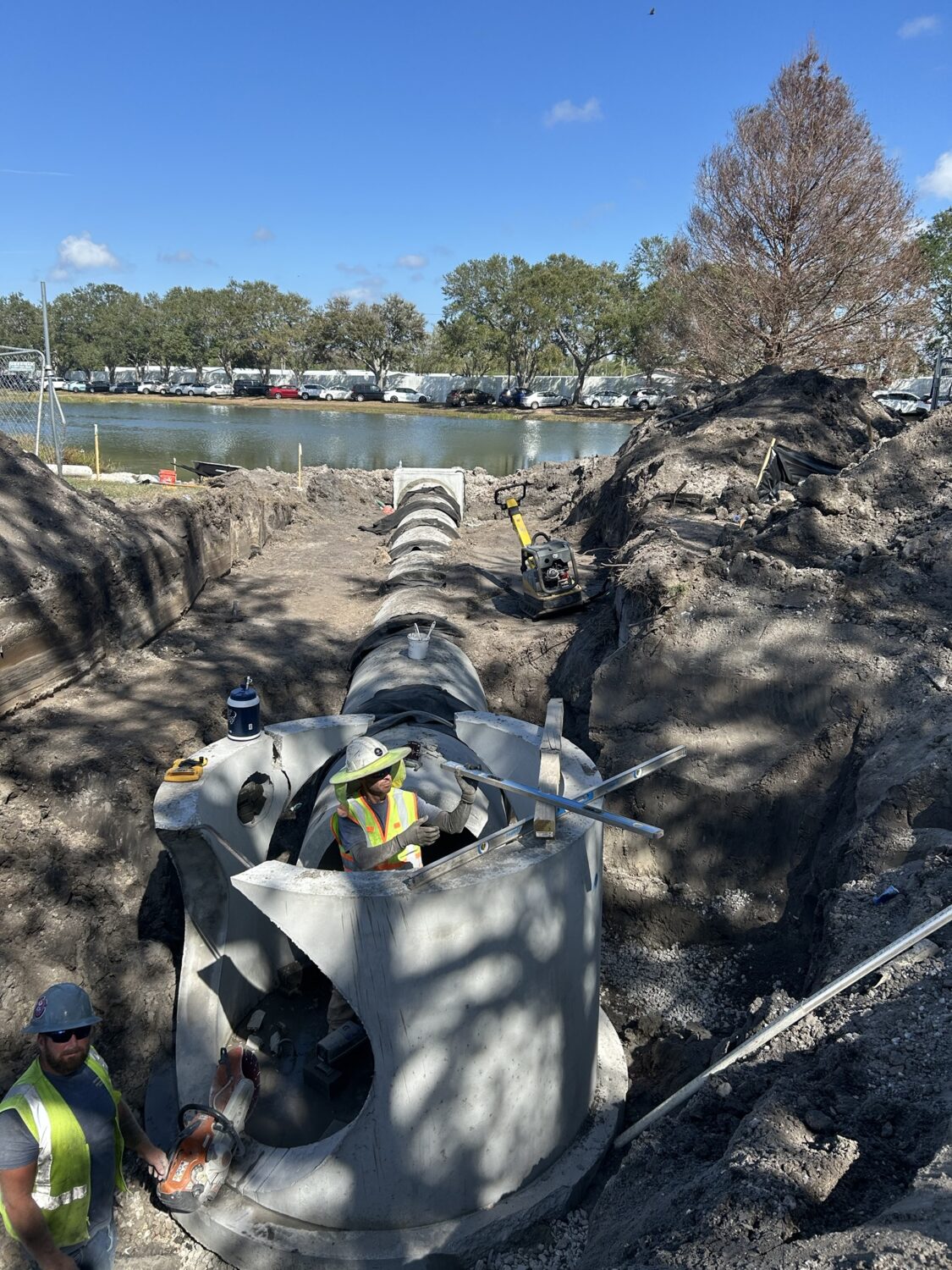
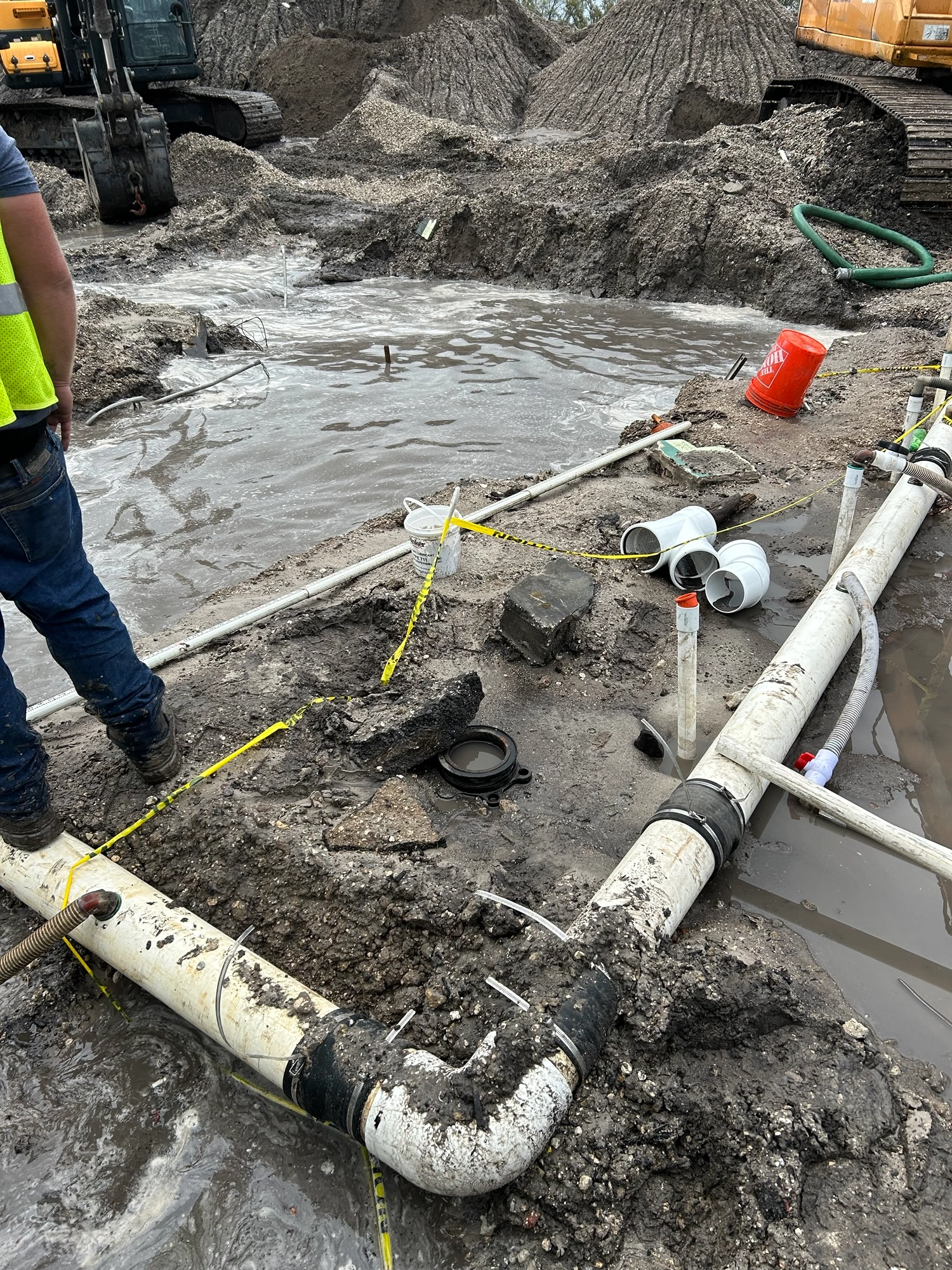
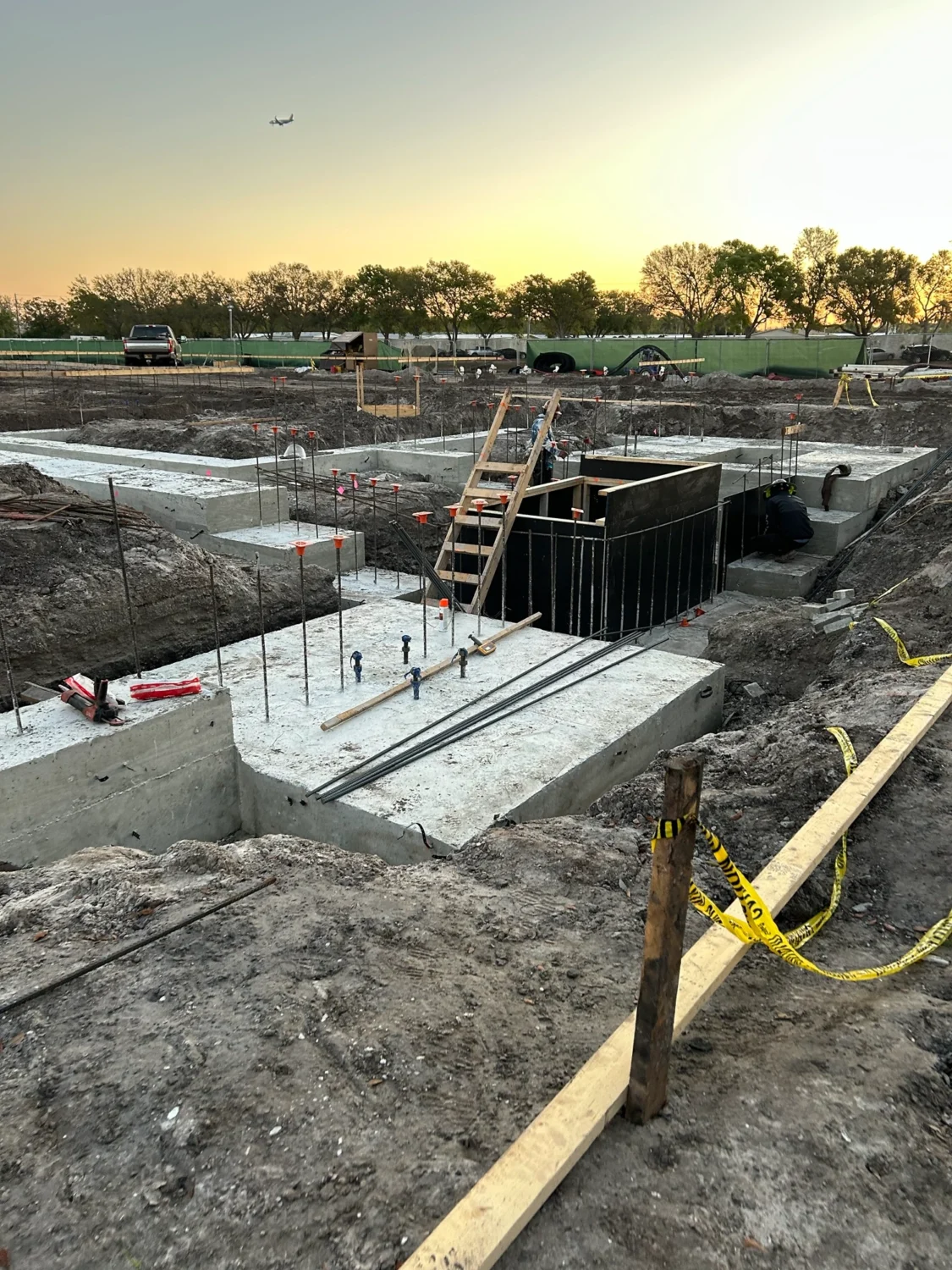
Subsurface investigation revealed contaminated groundwater on site — a condition that transformed standard site preparation into an active environmental remediation effort. BACH coordinated with environmental consultants and permitting authorities to implement a compliant groundwater treatment program, managing extracted water through testing and approved discharge protocols without pulling the project off course.

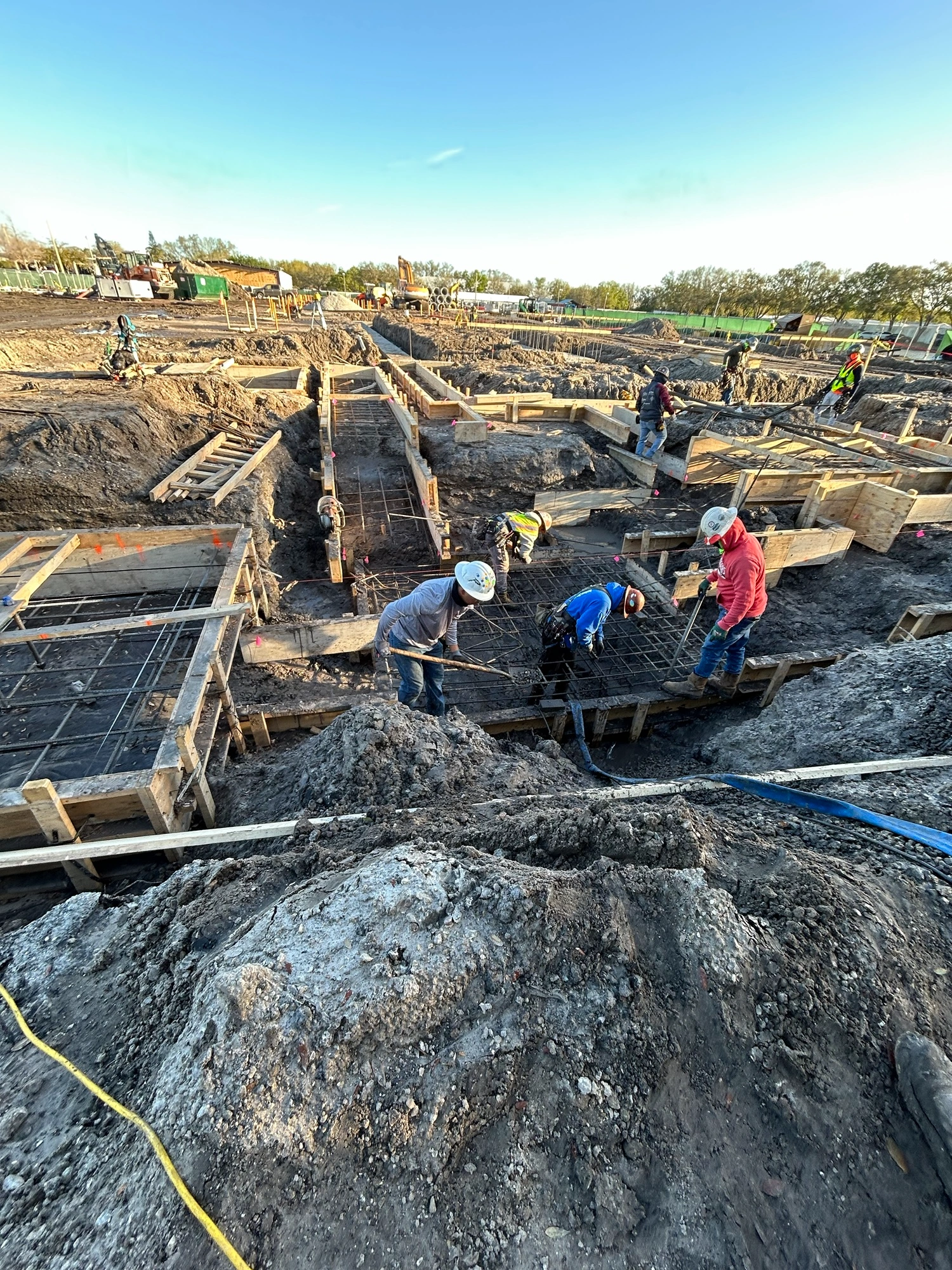
Compounding the environmental challenge was timing: construction proceeded through Tampa Bay’s wet season, where afternoon thunderstorms are not occasional inconveniences but near-daily events capable of dumping several inches of rain onto already-saturated soil. With a naturally high water table and active excavation underway, dewatering was not a one-time task — it was a continuous operation requiring around-the-clock management.

BACH deployed a multi-point wellpoint dewatering system across the excavation zones, with pump arrays monitored continuously to respond to sudden volume surges following storm events. Discharge routing was engineered to keep removed water compliant with environmental permits while protecting active work areas from inundation. The dewatering program ran in parallel with the remediation effort — not as separate workstreams, but as an integrated site management strategy that kept foundations dry, crews productive, and the schedule intact through the heart of Florida’s rainy season.

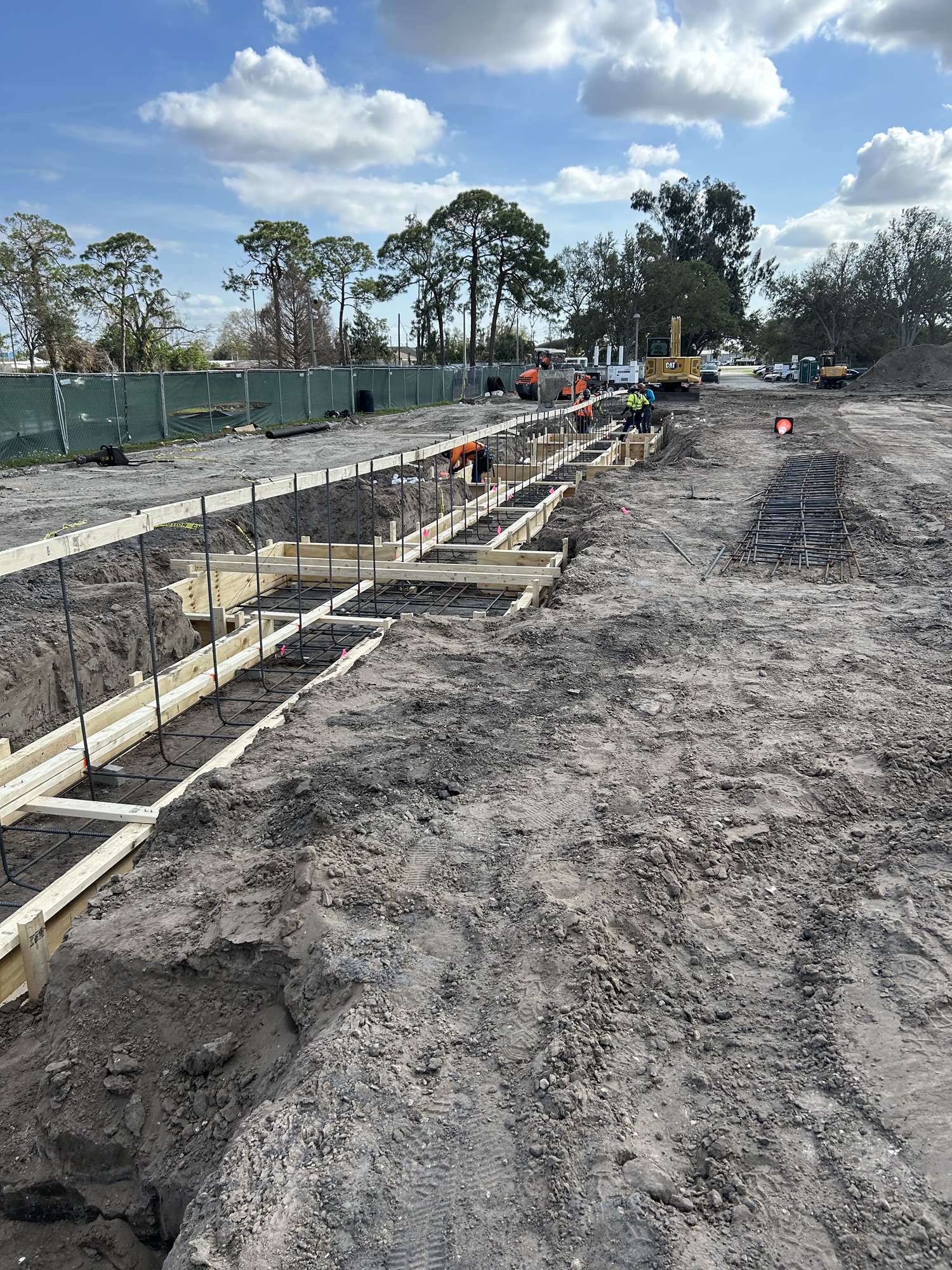
Further complicating site conditions, critical underground utilities conflicted with the planned construction footprint and required rerouting. BACH coordinated with utility providers, civil engineers, and the municipality to relocate infrastructure without disrupting service to the dealership campus or surrounding properties — an effort that required careful sequencing to avoid creating new conflicts as work progressed.

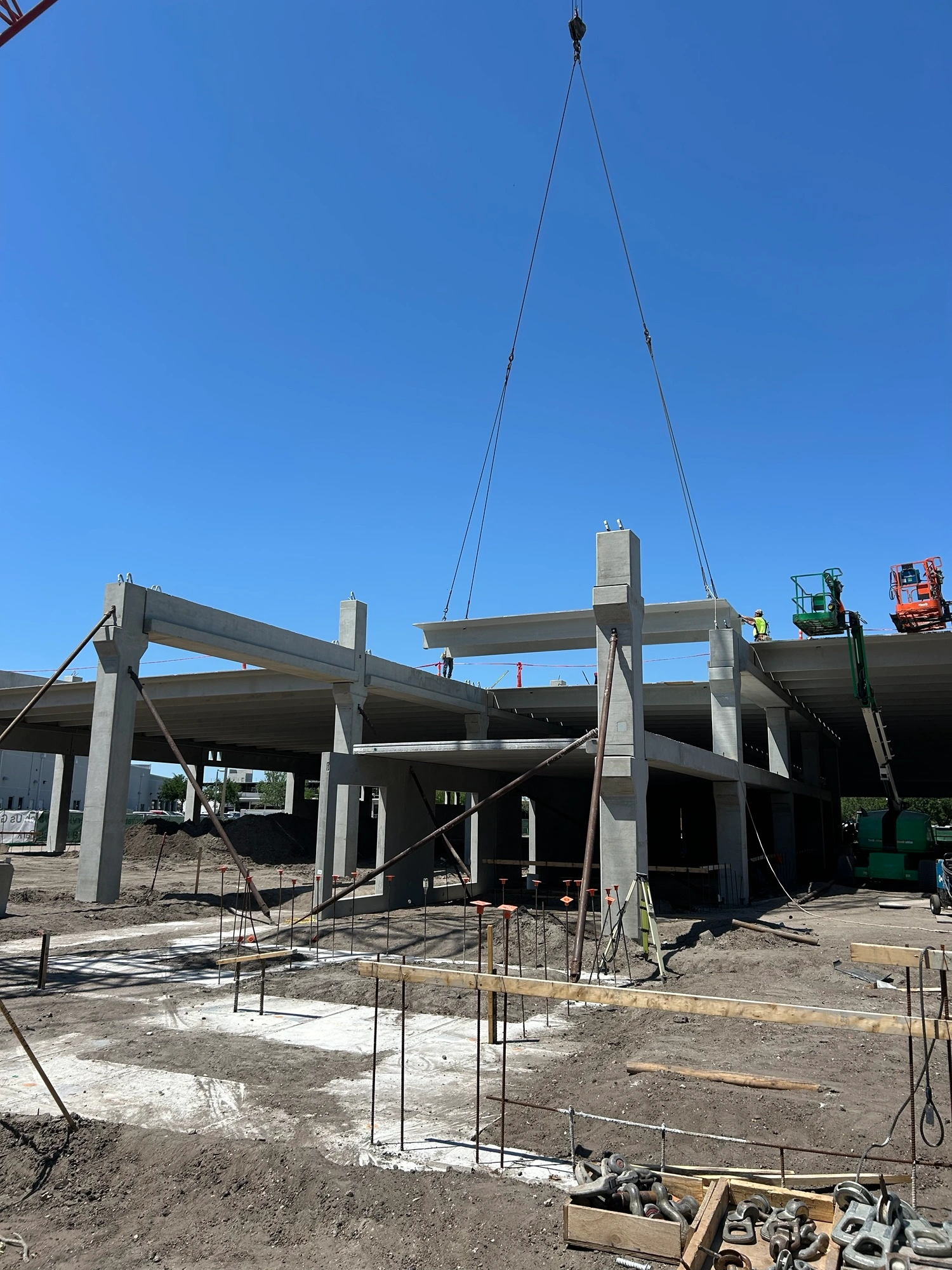
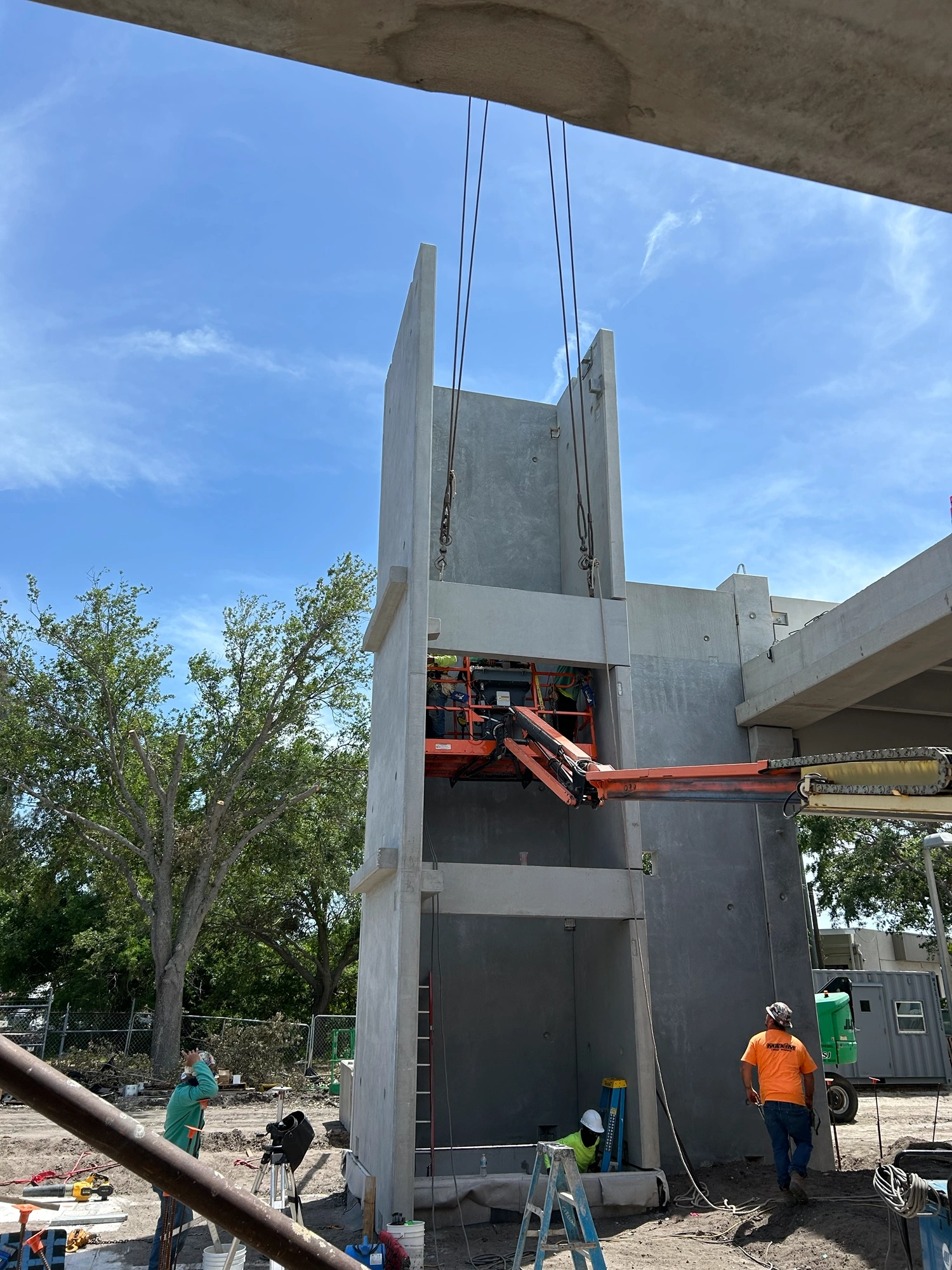
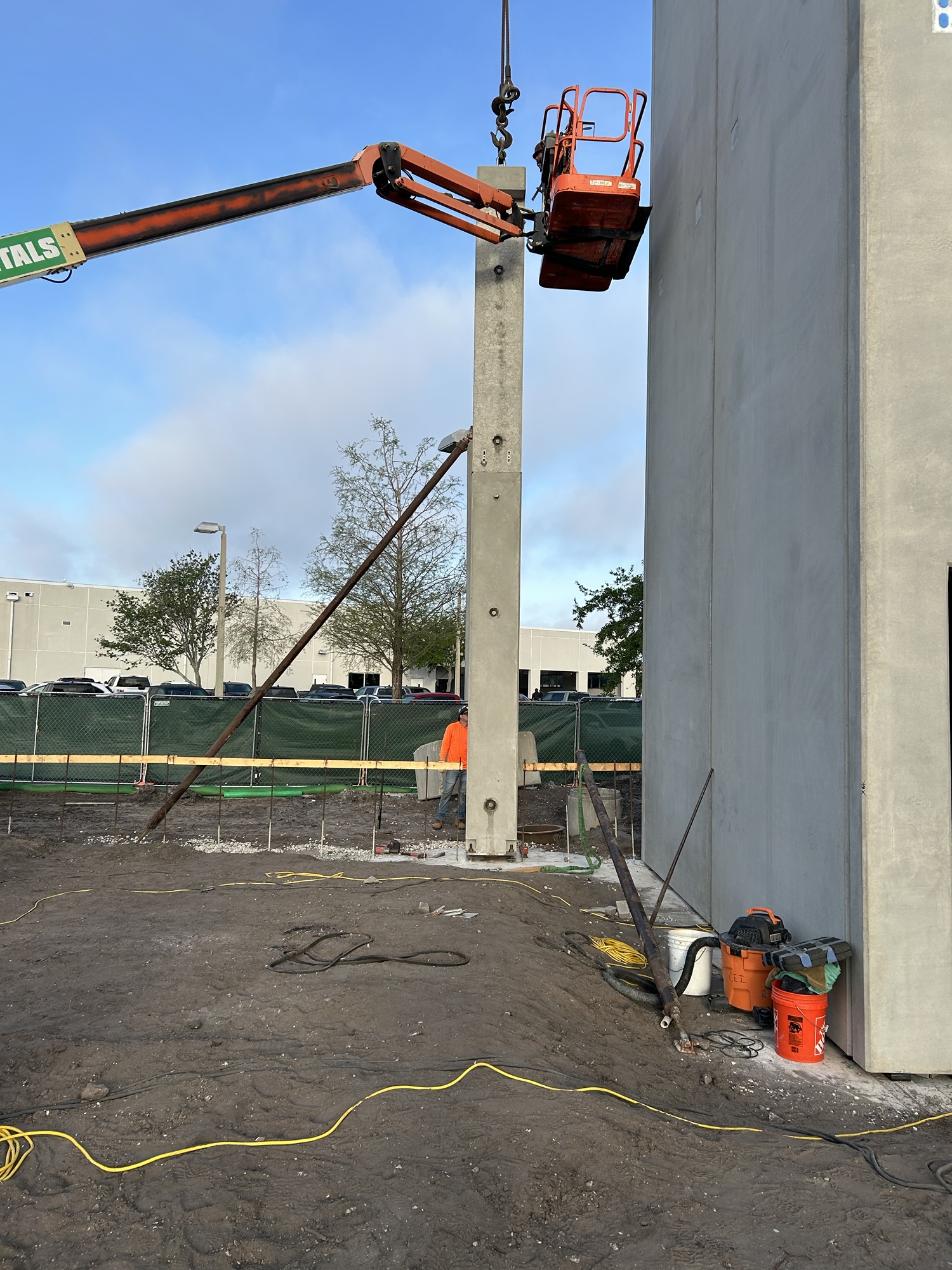
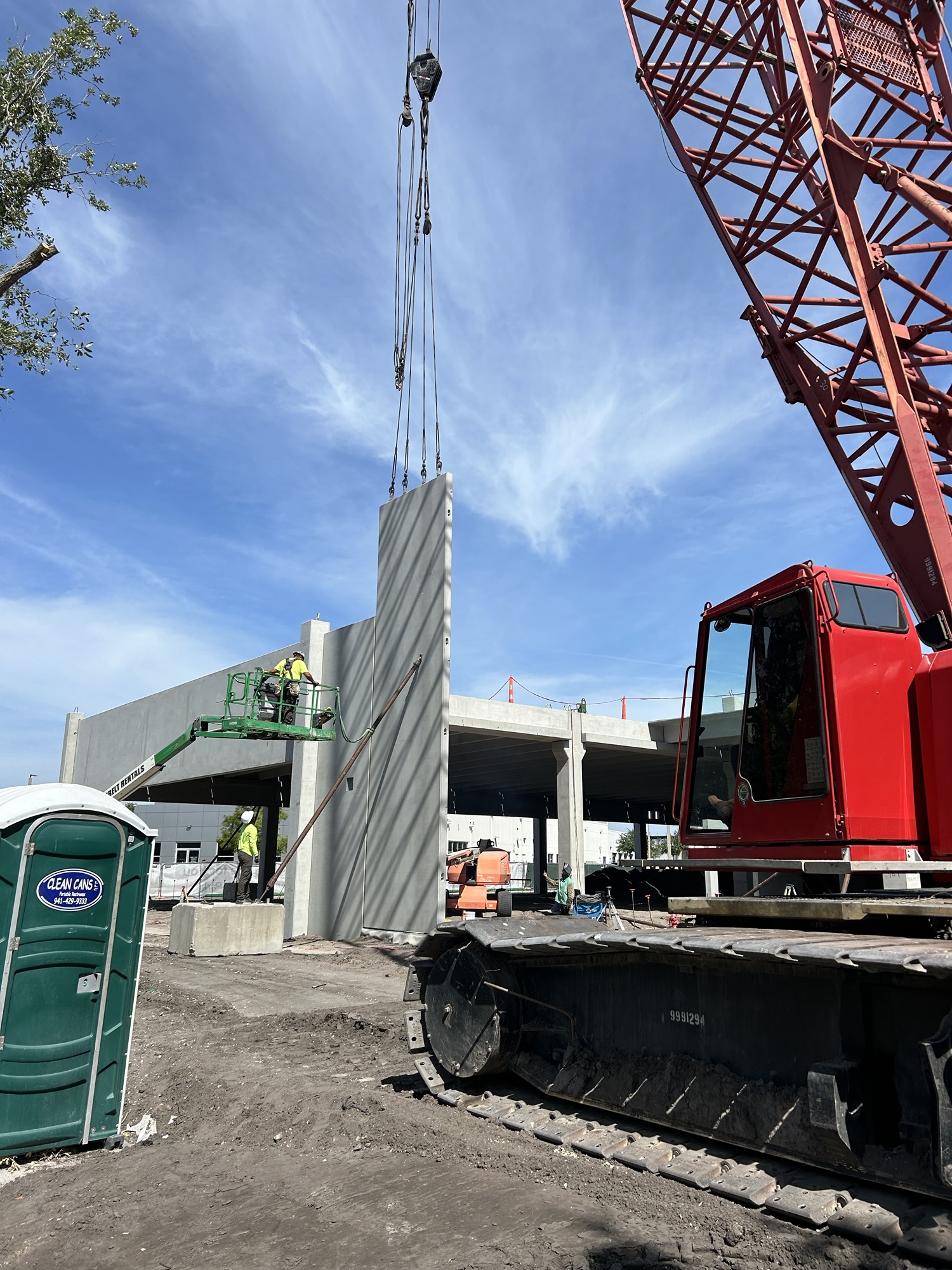
Precision at Elevation: Prefabricated Concrete Panel Assembly

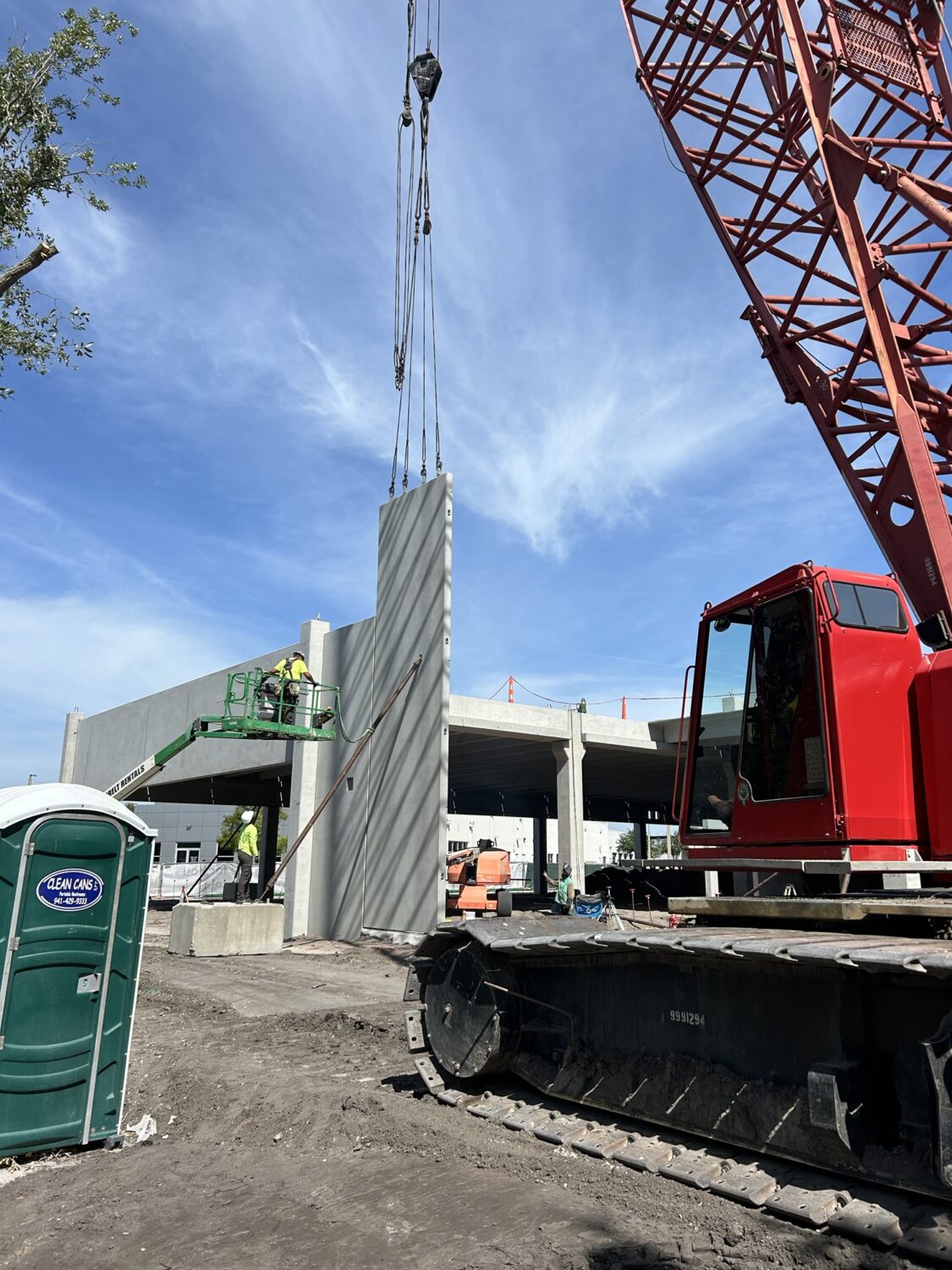
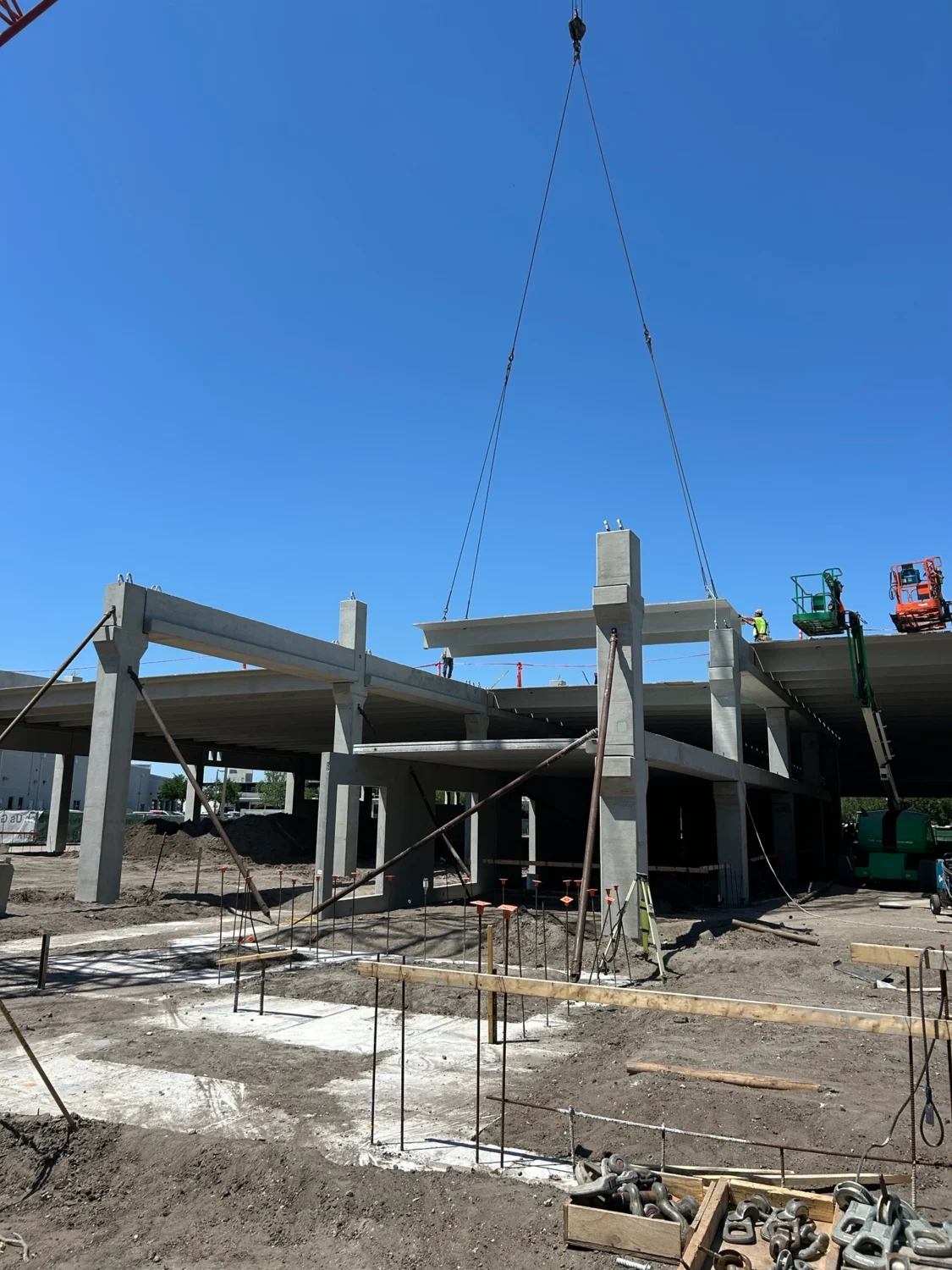
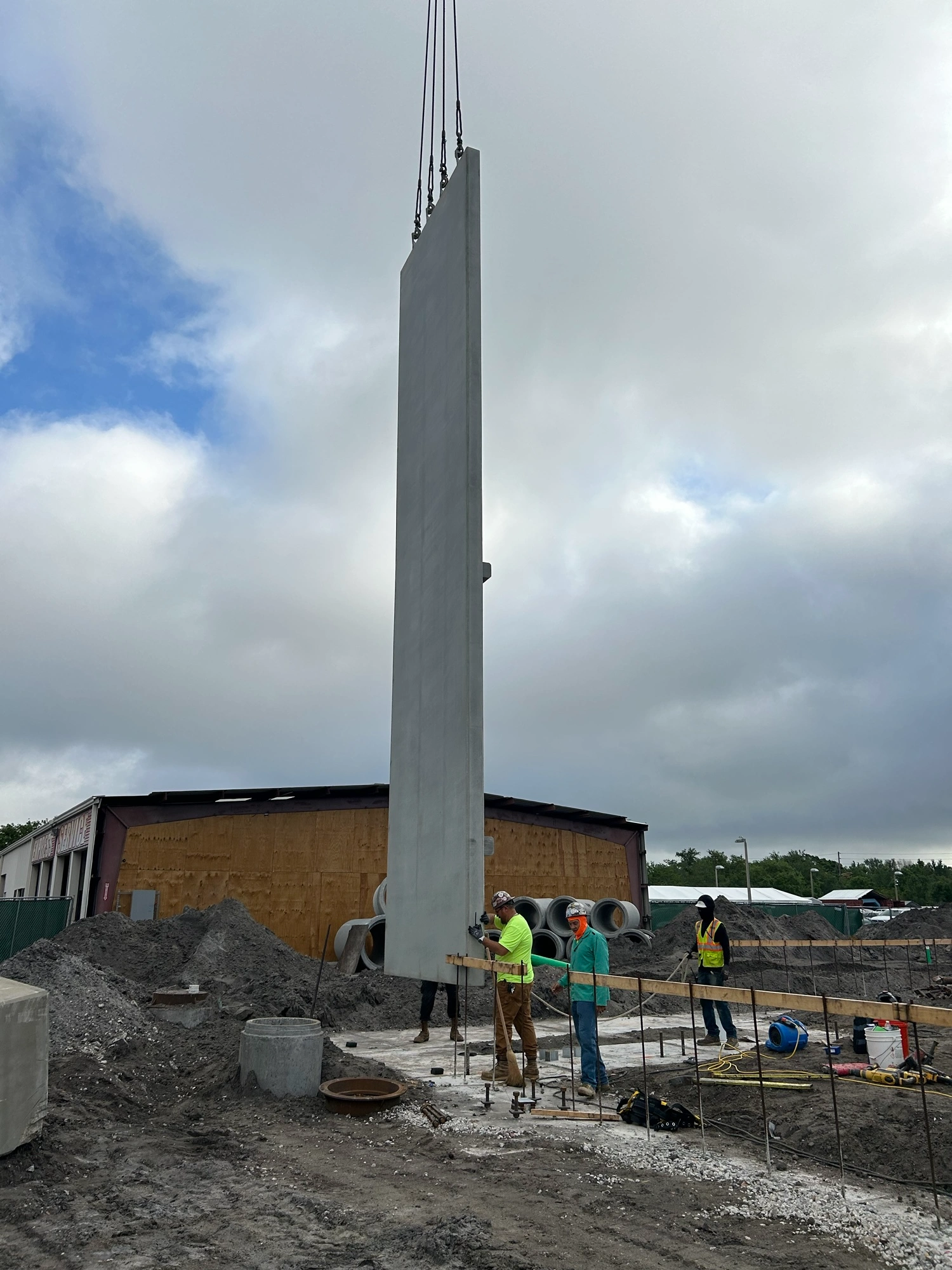
On a constrained, active campus with limited lay-down area, there was no room to stage panels and resequence at leisure. Each panel arrived to specification and had to be craned directly from delivery into final position. This required day-by-day coordination between the structural engineer, crane operator, and BACH’s field superintendent — with crane picks planned in advance and adjusted in real time based on site conditions, adjacent activity, and weather windows.

The multi-story nature of the assembly added a tolerance management challenge that compounded with every course. In prefab concrete construction, each panel establishes the baseline that the panel above it must match. Errors in level, plumb, or alignment do not stay isolated — they travel upward and widen. BACH’s team conducted rigorous verification at each installation sequence, confirming that structural connections, mechanical penetrations, and facade alignments remained within specification from the foundation to the roof line. The result was a structure built to tolerance across its full height, with no remediation required after the fact.

Keeping the Dealership Running

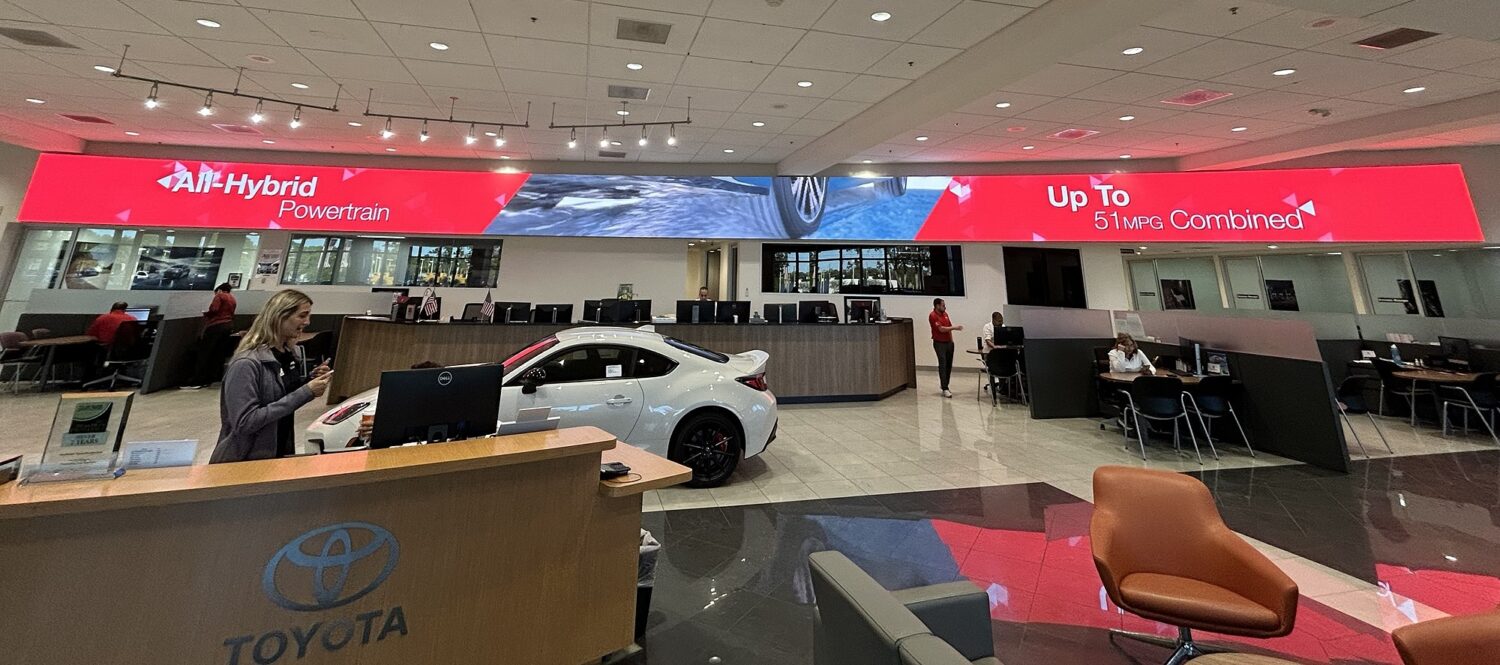
Throughout all of it, AutoNation Toyota’s existing dealership campus never closed. Customers continued to buy and service vehicles. Staff continued to operate. The project had to be built around a live business — not the other way around.

BACH developed and maintained a detailed phasing and logistics plan that controlled construction activity, equipment routing, noise, dust, and access at every stage. Crane operations were scheduled around dealership traffic patterns. Haul routes were managed to keep heavy equipment away from customer areas. Work that created unavoidable disruption was sequenced into periods of lowest operational impact. The result: zero interruption to AutoNation Toyota’s daily business from groundbreaking through ribbon cutting.

The Outcome

When complete, AutoNation Toyota had a 51,000+ square foot, 67-bay service facility purpose-built for high-volume automotive service operations — delivered on time and within its $13+ million budget. Every complexity the project encountered, from contaminated groundwater and relentless rain to multi-story structural assembly and live-campus logistics, was absorbed and resolved without passing cost or schedule consequences on to the client.

That outcome is the measure of BACH Development’s approach: not the absence of problems, but the proven ability to solve them.

Bach Development